

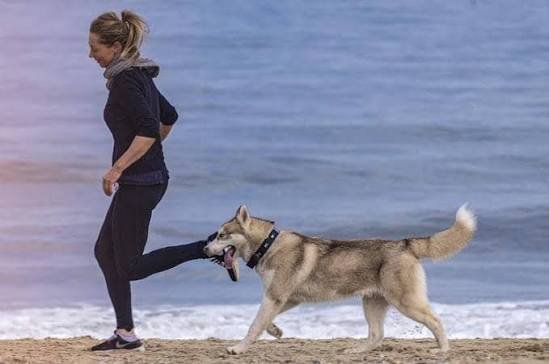
How Do You Build Muscle in Dogs?
Dogs build muscle through three things working together: low-impact exercise such as swimming and short walks, a high protein diet with a meat first ingredient, and well-chosen natural supplements, all started only after a veterinarian has ruled out a medical cause for the muscle loss.
That last step is the one people skip. A diagnosis matters because the root cause of sarcopenia, the loss of muscle that comes with old age, decides whether exercise helps a dog or makes things worse. Handling muscle loss as a training problem when it is really a medical one wastes effort.
Going in with a proactive plan beats reacting after a dog starts to struggle. Keep safe exercises in the weekly routine, ask your vet about tailored exercise plans, and aim first at muscle maintenance rather than quick gains. One supplement seller says Omega fatty acids from fish oil can ease joint discomfort, and another describes targeted supplementation as one route to slowing muscle loss. Both are sellers, so read their supplement claims as claims, not proof.
Why Is Your Dog Losing Muscle in the First Place?
Dogs lose muscle mainly through the aging process, and conditions such as arthritis can speed it up or start it earlier than expected. In plain terms, muscle wastes away when it shrinks in size and strength, and age is only one of several triggers.
Protein is the building block for cells, which makes it the macro nutrient that matters most when rebuilding muscle. One source reports that older dogs use it less efficiently, so a diet that kept a young dog solid may fall short later. A dog that has lost energy may get some of it back on better food, according to the same source.
Inactivity is the quieter cause. Arthritis is often the culprit, because a dog that hurts stops running and playing, and that source notes that muscle fades faster the less it is used. Previous injuries can start the same slide. Extra weight gain and obesity push it along, since a veterinary supplement company says obesity can speed muscle loss by reducing activity. The first source adds that once arthritis has harmed a joint, surgery is the only way to heal it, which is why protecting muscle early matters.
Should You See a Vet Before Trying to Build Your Dog’s Muscle?
Yes, a vet visit comes first, because a sudden rapid change in a dog’s muscle can signal disease rather than normal aging. One source lists degenerative myelopathy, hip dysplasia, and wobblers syndrome among the serious causes, alongside other problems of the spine and nervous system.
Timing matters as well. A veterinary source says age-related muscle loss can begin as early as 7 years of age in larger breeds and somewhat later in smaller breeds, so the exam should happen before the symptoms become obvious. A clear order of steps keeps the process straight:
- Notice the change, such as thinner back legs or slower rising.
- Book the vet visit and describe exactly what changed.
- Get a proper diagnosis so the root cause is addressed, not just masked.
- Ask what the vet plans to prescribe; if steroids or NSAIDS come up, weigh the pros and cons together.
- Start exercise, diet, and supplements only after the cause is known.
One source sums up its approach as prevention over prescription, yet it still tells people to follow the vet’s advice when a serious condition is involved.
Why Does Muscle Loss Matter for a Dog’s Quality of Life?
Muscle loss matters because it shrinks a dog’s world: it limits movement, burdens the body, and can cut into longevity and the best of the golden years. A veterinary source links muscle deterioration to reduced activity and to metabolic disorders that compound the problems of aging.
The red flags are practical, not dramatic: decreased activity levels, thinning hind limbs, lethargy, and fatigue that arrives sooner during play. Trouble with stairs is another one the same source lists. Pain feeds the cycle by keeping a dog away from the activity that protects muscle.
Staying active pays off beyond the muscles themselves. A veterinary clinic says even easy walks support cardiovascular health and heart and lung function, new scents supply mental stimulation, and activity releases endorphins that help manage anxiety. That mix is why muscle loss counts as a quality-of-life issue and not only a physical one.
Can Arthritis and Joint Pain Stop a Dog From Building Muscle?
Arthritis does not stop muscle building, but it changes the method: a dog with sore joints needs lighter loads and more patience. One source names arthritis as a common culprit behind pain in older dogs, which is why joint care and muscle work have to be planned together.
Weak muscle also leaves joints exposed. A veterinary source warns that losing muscle reduces joint stabilization, which raises the odds of falls, fractures, and ligament injuries, and that it worsens conditions like osteoarthritis and a dog’s balance.
Water work is the kindest way to keep muscles busy. Hydrotherapy and swimming take weight off the joints, and a veterinary clinic says regular movement keeps cartilage nourished. On land, stick to flat even surfaces to spare the hips and knees, especially for dogs with slower reflexes.
One supplement seller points to Wild Alaskan Fish Oil, whose EPA and DHA fatty acids are said to lubricate the joints and calm irritation. The company sells it, so treat the claim accordingly. The same seller admits there is no magic cure for aging.
Which Low-Impact Exercises Build Muscle in Older Dogs?
Swimming and short walks are the two low-impact exercises the sources agree on, because they work muscle without hammering aging joints. One source calls swimming possibly the best exercise for senior dogs, since the legs take no impact as they do with running, jumping, or pulling.
| Activity | How to do it | Why it suits older dogs |
|---|---|---|
| Swimming and hydrotherapy | Short, easy water sessions while you watch the dog | Water supports weight and reduces joint stress (vet clinic); no impact on the legs (supplement seller) |
| Short walks | Split a longer walk into several brief ones on flat even surfaces | Spares the hips and knees and keeps muscle in use (vet clinic) |
| Warm-up and stretching | Start every outing with slow walking | Helps prevent muscle strain (vet clinic) |
Consistency matters more than effort. One clinic puts consistency over intensity: a little movement every day beats sporadic hard sessions. Never push them too hard. A supplement seller warns that overdoing it can and will cause injury, so consider ending the exercise session as soon as the dog has had enough, and adapt the plan to the dog’s comfort.
The stakes are emotional too. The same seller describes a dog that can no longer jump onto the couch or chase a tennis ball and may turn depressed, and it argues that a healthy mind comes with a healthy body. A modest workout regimen aids recovery and keeps overloading off aging joints, and overweight dogs do better with shorter outings (vet clinic).
How Do You Keep a Senior Dog’s Exercise Routine Safe?
A safe routine starts with a clean bill of health and then stays short, light, and consistent. A veterinary clinic says conditions such as heart disease, respiratory problems, or diabetes can limit how hard a dog should work, and a vet’s go-ahead avoids unnecessary strain.
The session itself can follow a simple order:
- Warm up first with slow walking or stretching.
- Keep outings to 5–15 minutes; the clinic suggests dividing longer walks into short ones.
- Pick low-risk play such as soft toys, light fetch, or tug, with time to rest.
- On days when outdoors is a poor idea, move to indoor enrichment: hide treats around the house or use puzzle feeders.
- Try controlled climbing on low platforms only, and keep to flat ground otherwise.
- Stop when fatigue, pain, or lethargy appears.
A veterinary supplement company also lists a controlled treadmill session as a low-impact choice, which suits dogs that need the pace set for them. A routine stays sustainable when it is adjusted to the dog’s comfort and ended while the dog still wants more.
What Should You Feed a Dog to Build Muscle?
A high protein diet with a meat first ingredient is the approach the sources point toward, because protein is the building block behind muscle maintenance. One source calls diet just as important as exercise for building muscle, and another asks for high-quality proteins in senior diets.
Food touches more than muscle. A veterinary source ties muscle health to metabolic function and immune support, and notes that falling calorie expenditure as muscle shrinks leads to weight gain, which strains the joints. That is why regular checks of body condition belong in any feeding plan.
One supplement seller argues that muscle is not just about athletic performance; it supports vitality and a happier life. A dog on better food may see its energy levels pick up. Watch behavior too. A dog showing reluctance to exercise, or looking like an unhappy senior dog, deserves a closer look at both food and health, since the seller wants every one of our canine companions to have the best life possible, even as a senior companion at advanced ages. It also points to natural nutritional methods that help decrease inflammation, such as the fish oil covered above.
Do Supplements Help Build Muscle in Dogs?
Supplements can support muscle building, but the sources describe them as an add-on to daily activity and food, never a replacement for either. One seller says its fish oil, with EPA and DHA, helps lubricate the joints, and in the same breath it admits there is no magic cure for aging.
What a supplement sits beside matters more than the bottle. A veterinary clinic says a manageable plan of multiple short sessions adding up to 20–30 minutes beats a single long outing, and calls steady activity ideal. With gradual increases and supervision, senior dogs can build fitness and endurance safely, and they need not stay at their current activity.
A supplement earns its place where joints are the bottleneck. A dog limping, or showing reluctance to move, may be held back by a damaged joint rather than a weak diet. In that case a seller argues that fish oil plus a steady workout regimen can leave an older dog feeling more spry, though it concedes that dogs still slow down with age.
What Should Vets Track and Recommend for a Senior Dog’s Muscle?
Vets can protect a senior dog’s muscle with three levers: watching muscle at regular exams, tailoring low-impact exercise, and recommending diet and supplement support, according to a veterinary supplement company. The table condenses that advice.
| Recommendation | What it involves | Source |
|---|---|---|
| Spot loss early | Watch muscle mass and movement at routine exams | Veterinary source |
| Tailored exercise | Low-impact, safe exercises that build muscle without overloading joints | Veterinary source |
| Nutrition and supplements | Foods that are easy to digest and rich in amino acids, balanced to avoid weight gain, plus a muscle building supplement | Veterinary source |
Nutrition comes first because amino acids are essential for muscle repair and muscle growth. One seller offers a Kelp supplement it says contains over 18 amino acids, and it says a muscle building supplement can help a senior dog get back a bit of its youth.
Another company’s product centers on Fortetropin, the key ingredient in MYOS Canine Muscle Formula. It is derived from fertilized egg yolk and, per the company, works by promoting muscle protein synthesis and inhibiting muscle degradation to increase muscle mass and reduce atrophy. Those are manufacturer claims, and no study figures are given here, so ask a vet before relying on them.
How Often Should You Exercise a Senior Dog?
A senior dog should get movement every day, and 20–30 minutes split into several short sessions is the figure one veterinary clinic gives. Several short sessions are usually more manageable than one single long outing. Plan frequent, brief outings, shift them with the weather, and build in rest breaks plus fresh water for hydration. Gentle pacing is the starting point, and excellent options for routine variety include controlled step-ups on a low surface.
What Are the Best Low-Impact Exercises for Dogs With Arthritis?
Swimming, short walks, indoor enrichment, and controlled step-ups are the low-impact choices a veterinary clinic lists for dogs with arthritis. Swimming gives a full-body workout without loading the joints. Dogs with mobility issues need extra care, so watch for signs they are overexerted, such as stiffness or swelling afterward, then pause and reduce activity.
Can Older Dogs Gain Fitness, or Should You Only Maintain What They Have?
Older dogs can gain fitness: with supervision and gradual increases, a veterinary clinic says seniors can build strength and endurance safely, rather than just holding their current activity. Food backs that up. One source says it is never too late to switch to a premium food, and describes the target as meat first with no filler, meaning no corn, wheat, or soy. A dog on good food for life may regain lost energy.
How Do You Know if a Senior Dog Is Overexerted?
Heavy panting, limping, reluctance to move, or excessive fatigue are the warning signs a veterinary clinic lists, and any of them means it is time to pause or reduce activity. A loss of interest in activity is worth a vet call, too. Older dogs can dehydrate faster, so avoid hot asphalt in summer and icy paths in winter. In water, stay out of deep water if a dog is unsteady; swimming is generally safe, but not for every dog.
Is Swimming Safe for Every Senior Dog?
Swimming is generally safe for senior dogs, but not for every dog, since heart or respiratory conditions can rule it out. Ask the vet for a full check up and health assessment first, particularly if there are medical conditions in the picture. Early detection through routine check-ups lets a vet monitor a dog’s individual health status, and sometimes treating an underlying issue has to come before water work.
Can Mental Activities Replace Physical Exercise for Older Dogs?
No: mental activities are valuable but cannot substitute for physical movement, which a veterinary clinic calls crucial for joint and heart health. Puzzle feeders and hidden treats keep the mind busy, yet muscle only stays in shape through use, as one source points out. Vets can help owners optimize a plan for their patients that mixes both, to preserve strength as well as curiosity.